

World Elder Abuse Day: Standing up for respect and rights

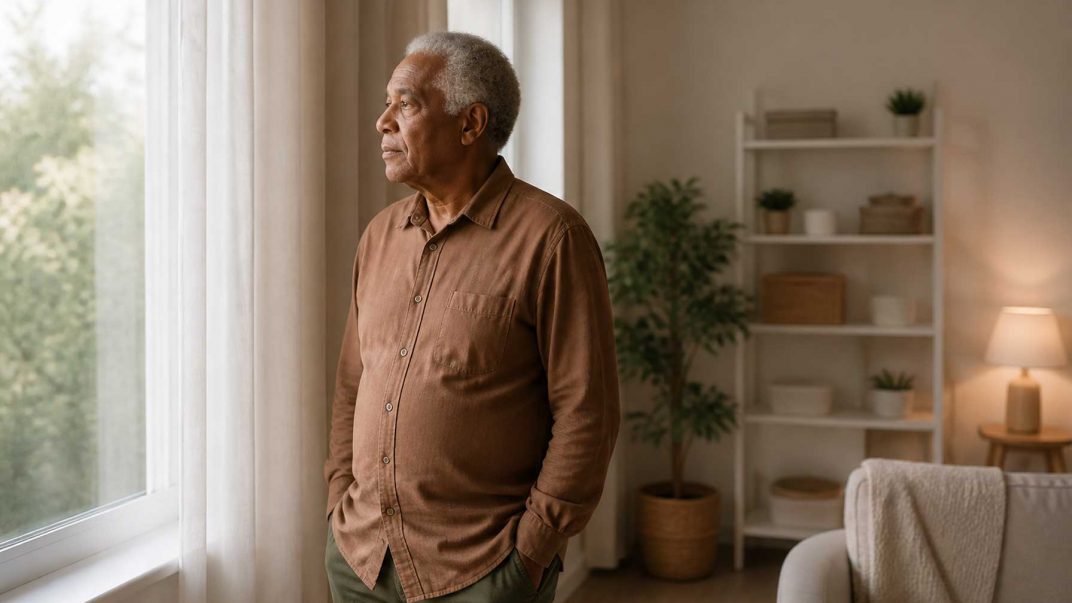
Growing older brings experience, perspective, and resilience that younger generations are still working toward. Yet ageism, the idea that older adults are somehow less capable or less deserving of respect, still shapes how seniors are treated at home, in care settings, and in the community. Challenging that mindset is part of preventing abuse. When we expect respect and refuse to accept anything less, we help create communities where everyone can age safely and with confidence.
Here are 5 things to be mindful of:
1. Know your rights, and know the signs. As we age, our dignity, autonomy, and well-being deserve protection. Elder abuse can be physical, emotional, or financial, or it can take the form of neglect and it often comes from someone in a position of trust. Warning signs can include unexplained injuries, sudden changes in mood or social withdrawal, missing money, or a caregiver who seems overly controlling. Recognizing these signs is the first bold step toward prevention.
2. Protect your finances with confidence. Financial abuse is the most common form of abuse among older adults in Canada, and fraud is the number one crime against older Canadians. It can come from sophisticated scams or from people we know. Staying bold here means protecting your personal information, taking your time with big financial decisions, and never feeling embarrassed to ask a trusted person to review a contract. If something feels wrong, speak up. Abusers may try to convince you it’s your fault, but it isn’t.
3. Remember that abuse can happen at any age. Domestic violence is not only a concern for younger people. It is estimated that between 4% and 10% of people over 65 live in situations of abuse and neglect. For older adults, the signs can be subtle; social isolation, emotional changes, or sudden shifts in living arrangements. Talking to someone you trust is a powerful first move.
4. Speak up about disrespect between peers. Abuse doesn’t always come from a caregiver or family member. Studies suggest about 1 in 5 seniors experience bullying in nursing and retirement homes, often in the form of gossip, exclusion, or harassment. Aging with attitude means refusing to look the other way; reporting incidents, supporting new or isolated residents, and helping build communities of kindness.
5. Support caregivers, too. A bold conversation about abuse includes caregivers. Sometimes it is the family caregiver who experiences violence. Up to 4 in 10 caregivers of a loved one living with dementia report aggressive behaviour. This is a sensitive subject, and no one should face it in silence. Reaching out for support, training, or respite is a sign of strength, not failure.
The boldest move of all: stay connected and speak up. Isolation is one of the biggest risk factors for abuse, and connection is one of our strongest protections. Whether you’re concerned about your own situation or worried about someone else, you are not alone, and help is available. Talking openly about abuse—without shame and without fear—is one of the most powerful tools we have to prevent it.
This World Elder Abuse Awareness Day, let’s celebrate everything older adults bring to our families and communities, and stand together for a future where every person can age with dignity, respect, and attitude.
McMaster Optimal Aging Blog Posts are written by faculty, staff, PhD students, and external collaborators, and are assessed for accuracy by members of the Portal scientific leadership team.
DISCLAIMER: These summaries are provided for informational purposes only. They are not a substitute for advice from your own health care professional. The summaries may be reproduced for not-for-profit educational purposes only. Any other uses must be approved by the McMaster Optimal Aging Portal (info@mcmasteroptimalaging.org).