

The Power of Connection: How Companionship Supports Mental Health as We Age
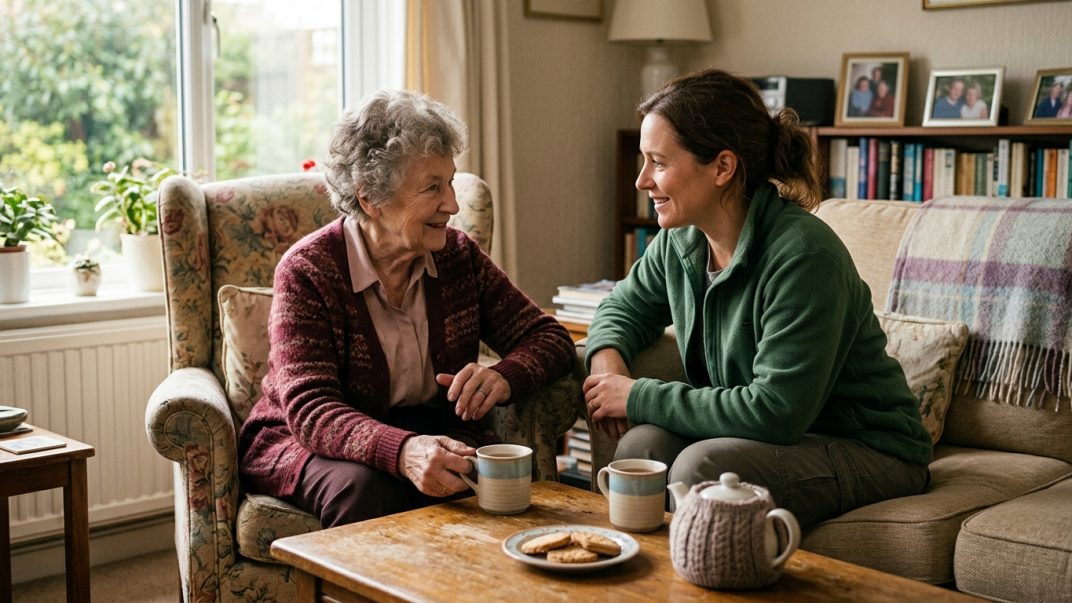
Feeling seen, supported, and connected can make all the difference at home
There is a quiet truth that becomes more important with age.
Connection is not just something we enjoy. It is something we need.
A conversation over coffee. A familiar voice checking in. A shared laugh over a simple moment. These small interactions can shape how we feel each day in ways that are easy to overlook, but deeply important to our well-being.
For older adults, especially those living at home, connection plays a powerful role in supporting emotional health, maintaining routine, and preserving a sense of identity. And for families, it offers reassurance that their loved one is not navigating each day alone.
Connection Is More Than Social — It’s Foundational to Health
As we age, it is natural for social circles to shift. Retirement, mobility changes, or the loss of a partner can all reduce day-to-day interaction. Over time, that can lead to something more significant than simply “feeling alone.”
Research shows that loneliness and social isolation are common among older Canadians, with nearly one in five reporting feelings of loneliness, and many more at risk of becoming socially isolated.
This matters because connection is closely tied to overall health. Social isolation has been linked to lower quality of life, increased anxiety and depression, and even broader health concerns over time.
In other words, connection is not just about socializing. It is a meaningful part of staying well.
Staying Connected Supports Emotional Well-Being
Regular interaction, even in small ways, can have a noticeable impact on mood and outlook.
Older adults who stay socially engaged often report:
- Greater sense of purpose
- Improved emotional resilience
- Lower levels of loneliness
- Higher overall life satisfaction
Studies have also shown that companionship can help reduce symptoms of depression and anxiety, particularly for those who may otherwise spend long periods alone.
These benefits are not tied to big events or busy schedules. They often come from simple, consistent moments of connection.
The Role of Everyday Moments
Connection does not have to be complicated to be meaningful.
Often, it looks like:
- Sharing a cup of tea and conversation
- Going for a short walk
- Looking through old photos
- Running errands together
- Sitting nearby while someone reads or watches a favourite show
These moments create structure, familiarity, and comfort. They help older adults feel seen, heard, and valued, not just cared for.
Over time, they also help maintain a sense of identity. The routines, preferences, and conversations that make someone who they are do not disappear with age. They simply need space to continue.
Supporting Families, Too
Connection is not only important for the person receiving support. It also brings peace of mind to those who care about them.
Many family members do their best to stay involved, balancing visits, calls, and responsibilities alongside their own busy lives. Even with the best intentions, it can be difficult to be present as often as they would like.
Knowing that someone is there to check in, spend time, and notice changes can ease that pressure. It allows families to step back from constant worry and focus more on meaningful time together.
A Gentle Way to Stay Connected
For many older adults, maintaining connection becomes easier with a bit of support. Not to replace family or independence, but to complement it.
Companionship can be as simple as having someone to talk to, share time with, or bring a sense of routine to the week. It helps fill the natural gaps that can appear over time, especially for those living alone or with limited mobility.
For families, it can be a way to ensure their loved one continues to feel supported, engaged, and connected in a way that feels natural and respectful.
Staying Connected, One Moment at a Time
Aging at home is about more than staying safe. It is about continuing to live a life that feels full.
Connection plays a quiet but powerful role in that. It supports emotional well-being, strengthens routine, and reminds us that we are not alone.
Whether it comes from family, friends, neighbours, or a little extra support along the way, those moments of connection matter more than we often realize.
And sometimes, it is the simplest moments, a conversation, a shared laugh, a familiar presence, that make the biggest difference of all.
A Simple Next Step
If you are thinking about ways to support connection, either for yourself or someone you love, it can start small. A regular check-in, a shared activity, or even a conversation about what kind of support might feel helpful.
And if additional companionship could make day-to-day life feel more connected and supported, it is always worth exploring what that could look like.
Because feeling seen, heard, and connected is not a luxury. It is an essential part of aging well.