

Summer Essentials for Aging in Place: A Practical Checklist for Families
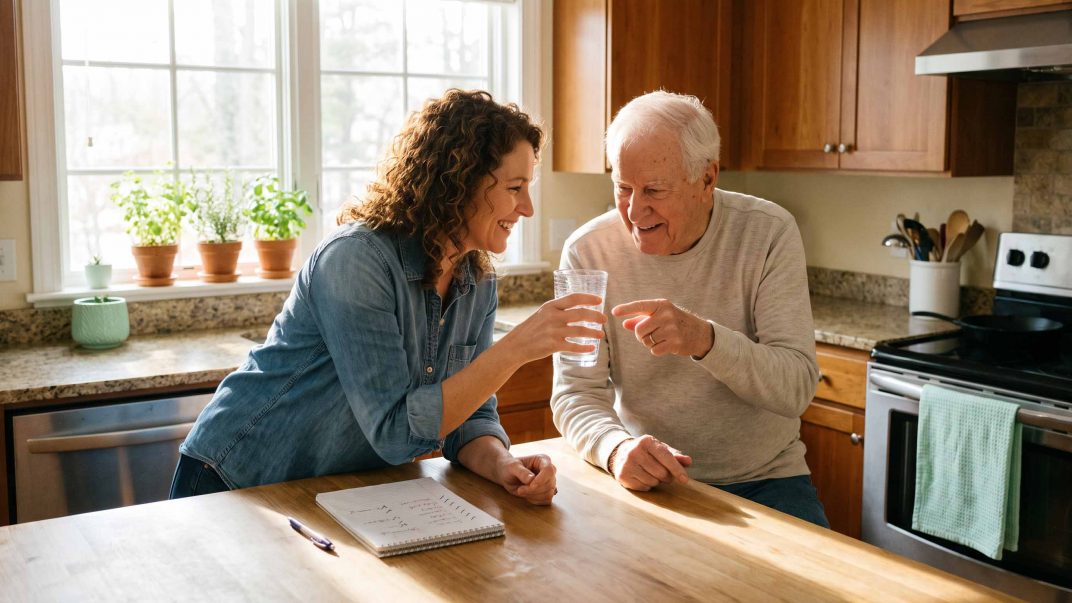
Simple ways to help an older parent stay cool, safe, and independent at home
Summer can be a wonderful season for older adults living at home. Longer days, fresh air, family visits, and time outside can all bring a welcome sense of energy and connection.
But warmer weather can also bring risks that are easy to overlook. Heat, dehydration, medication side effects, and fall hazards can all make daily life more challenging, especially for older adults living with chronic conditions or changes in mobility.
For adult children and caregivers, summer readiness is one of the simplest ways to support aging in place. It does not require a major home renovation or a complicated plan. It starts with a few practical checks that help reduce risk, protect independence, and make the season feel more manageable.
Why summer can be harder on older adults
As we age, the body may not regulate temperature as easily. Some older adults may not feel thirsty as quickly, and certain health conditions or medications can make hot weather harder to tolerate.
That means a warm day can become tiring or unsafe faster than expected. Fatigue, dizziness, low appetite, confusion, or feeling unusually weak may all be signs that heat is taking a toll.
The goal is not to take away independence. It is to plan ahead so an older parent can keep enjoying summer safely, comfortably, and with confidence.
The aging-in-place summer checklist
Use this checklist as a simple starting point. You do not need to do everything in one day. Even a few small updates can make a meaningful difference.
Hydration and nutrition
Hydration should be part of the daily routine, not something that waits for thirst.
Help make fluids easy to access by keeping water visible in the kitchen, bedroom, and favourite sitting areas. Encourage fluids with meals and snacks, and consider hydrating foods like fruit, yogurt, smoothies, soups, and salads.
It can also help to build hydration into existing routines. A glass of water with morning medication, lunch, an afternoon phone call, or a favourite show can make the habit easier to remember.
Watch for warning signs of dehydration, including dizziness, fatigue, dark urine, confusion, irritability, or a sudden drop in appetite. These symptoms should not be brushed off as “just aging.”
Home cooling and airflow
A cooler home is an important part of summer safety.
Before the hottest weather arrives, check that fans or air conditioning units are working properly. Close blinds or curtains during the hottest part of the day, especially in rooms that get direct sun. Open windows when the outdoor air is cooler, usually in the early morning or evening.
It is also worth identifying a backup cooling option. This could be a nearby community centre, library, shopping centre, or another air-conditioned space where your parent can go if the home becomes too warm.
Fans can help with airflow, but during extreme heat they may not be enough on their own. If the home remains very warm, extra cooling support may be needed.
Medication review
Medication review belongs on the summer checklist.
Some medications can affect how the body handles heat, hydration, or temperature regulation. These may include certain blood pressure medications, water pills, heart medications, or medications that affect mood or sleep.
Before summer heat intensifies, encourage your parent to speak with a pharmacist, doctor, or nurse practitioner about whether any medications could increase heat risk. This is especially important if they take several medications or have heart, kidney, breathing, or cognitive health concerns.
This does not mean changing anything without medical guidance. It simply means understanding what to watch for.
Fall prevention at home
Summer safety is not only about heat. Falls remain a major concern for older adults, and many happen in or around the home.
Take a walk through the home and look for small hazards that may have built up over time. Remove loose rugs or secure them properly. Clear pathways between the bedroom, bathroom, kitchen, and entrance. Check that stairs and hallways are well lit. Make sure bathroom supports are stable and frequently used items are easy to reach.
Outdoor areas matter too. Keep steps, walkways, and entryways clear of clutter, tools, hoses, or uneven surfaces. Summer footwear can also affect stability, so encourage shoes or sandals that fit well and have good grip.
These small updates can help prevent a fall before it happens.
Outdoor routines and sun protection
Staying active is still important in summer, but routines may need to shift with the weather.
Encourage outdoor activity earlier in the morning or later in the day, when temperatures are cooler. Choose shaded routes, bring water, and build in rest breaks. Lightweight, loose-fitting clothing, sunglasses, and a wide-brimmed hat can help make time outdoors safer and more comfortable.
This is not about avoiding summer. It is about enjoying it at the right pace.
A short walk, a few minutes in the garden, or a visit on the porch can all support mood, mobility, and connection without becoming too much.
Check-in plan and emergency contacts
A simple check-in plan can bring peace of mind to everyone.
During hot weather, especially heat waves, consider setting up regular calls or visits. If your parent lives alone, check-ins may need to happen more often during extreme heat. Keep the plan simple and predictable so it feels supportive rather than intrusive.
It can help to agree on:
- Who will check in
- What time calls or visits will happen
- Who to contact if there is no answer
- Where emergency numbers are kept
- Which neighbour or nearby family member can help if needed
Make sure important numbers are easy to find, including family contacts, pharmacy, primary care provider, local health line, and emergency services.
Heat-wave supplies
A small summer safety kit can make hot days easier to manage.
Consider keeping these items together:
- Bottled water or easy-access water bottles
- A list of medications and health conditions
- Emergency contact information
- A flashlight and batteries
- A charged phone or backup battery
- Light snacks
- Cooling cloths or small towels
- A working fan, if appropriate
- Any personal care items needed during a heat event
The goal is not to create worry. It is to make sure the basics are ready before they are needed.
What adult children can do this weekend
Summer preparation can feel more manageable when it becomes a simple family project.
This weekend, consider choosing a few practical steps:
Call the pharmacy and ask whether any medications may increase heat sensitivity. Test fans or air conditioning units. Restock water, light snacks, and cooling supplies. Walk through the home to look for trip hazards. Set up a regular check-in plan for hot days. Identify the nearest cooling centre or air-conditioned public space.
You do not need to solve everything at once. Start with the changes that will make the biggest difference for your parent’s comfort and safety.
When to get medical help
Heat-related illness should always be taken seriously.
If your parent feels dizzy, weak, nauseated, confused, faint, or unable to cool down, move them to a cooler place and seek medical guidance. Call 811 if you are unsure what to do, where available. Call 911 right away if symptoms are severe, worsening, or involve fainting, confusion, chest pain, trouble breathing, or loss of consciousness.
It is always better to act early than to wait and hope symptoms pass.
A safer summer starts with a few smart steps
Summer readiness is not about doing everything perfectly. It is about making a few thoughtful changes early so an older parent can stay safe, comfortable, and independent at home.
A glass of water within reach. A cooler room to rest in. A clear pathway to the bathroom. A morning walk instead of an afternoon one. A check-in call during a heat wave.
These small steps can make summer feel lighter, safer, and easier for everyone.
And when a little extra support would help, services like home care, companionship, light household help, or seasonal maintenance can make day-to-day life more manageable while helping older adults continue living well at home.