

Making Home Maintenance Easier at Every Stage of Aging
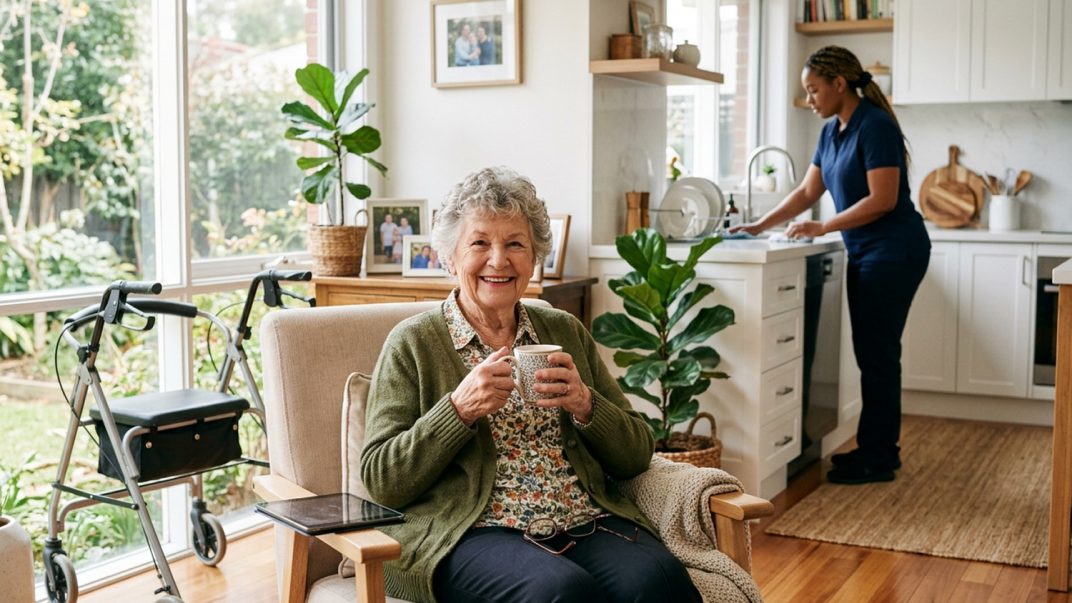
Home Maintenance for Seniors
Simple ways to stay safe, comfortable, and confident at home
For many older adults, home is more than a place. It is where routines live, memories are built, and independence is preserved.
But over time, something begins to shift.
Tasks that once felt simple, vacuuming, reaching high shelves, cleaning windows, clearing the yard, start to take more effort. Balance changes. Energy levels fluctuate. Even small chores can feel more physically demanding or time-consuming than they used to.
This is a natural part of aging. And it is also a sign that the way we care for our homes may need to evolve.
The goal is not to do everything alone. It is to make home life feel easier, safer, and more manageable.
Why Home Upkeep Changes Over Time
As we age, strength, mobility, and endurance gradually change. Tasks that involve bending, lifting, climbing, or standing for long periods can become more difficult or even unsafe.
Vision changes can make it harder to spot dust, clutter, or hazards. Memory and attention shifts can make it easier for small maintenance tasks to be forgotten or delayed.
This is why so many older Canadians adapt their homes as they age. It is not about giving anything up. It is about making sure the home continues to support the person living in it.
Why Safety Should Come First
Home maintenance is not just about keeping things tidy. It is closely tied to safety.
Falls remain the leading cause of injury-related hospitalizations for older adults in Canada. Many of these falls happen at home, often due to clutter, poor lighting, or environments that are harder to navigate than they should be.
A hallway that feels slightly crowded. A step that is not as stable as it once was. A task that requires climbing or overreaching.
These small details matter.
Prioritizing safety in how a home is maintained helps reduce risk and creates a space that feels easier and more comfortable to move through every day.
The Hidden Load for Family Caregivers
Even when older adults are living independently, home upkeep rarely exists in isolation.
Family members often step in quietly. They may not always be doing the physical work, but they are thinking about it.
They notice when the lawn needs attention. They coordinate cleaning. They worry about whether their loved one is keeping up with tasks safely. They make mental lists of what needs to be done next.
This invisible layer of planning and responsibility adds up.
Over time, home maintenance becomes one more thing to manage alongside work, family life, and caregiving responsibilities.
Simplifying the Home, and the Work That Comes With It
The answer is not to do more. It is to simplify.
That might mean reducing clutter so pathways are clear and easy to navigate. It might mean focusing only on the tasks that truly matter for safety and comfort, rather than trying to maintain everything at the same level as before.
And often, it means letting go of the idea that everything has to be done personally.
Outsourcing physically demanding or higher-risk tasks is not a luxury. It is a practical way to conserve energy, reduce risk, and make daily life more manageable.
Support with cleaning, seasonal upkeep, or outdoor work can free up time and energy for the things that matter most.
Where the Right Support Can Help
For many families, bringing in support starts small.
A little help with regular cleaning. Assistance with seasonal yard work. Support with tasks like window washing or eavestrough cleaning that are difficult or unsafe to manage alone.
Over time, these small changes can have a big impact. The home feels lighter. Tasks feel less overwhelming. Safety improves without disrupting independence.
The right kind of support does not take away control. It helps protect it.
A Home That Supports You
The best home is not the one where everything is done perfectly.
It is the one that feels safe. Manageable. Comfortable.
It is the home where you can move with confidence, keep your routines, and focus your energy on living, not maintaining.
As needs change, it is okay for the home, and the way it is cared for, to change too.
Because staying at home should feel easier over time, not harder.
If you’re thinking about ways to make your home easier to manage, you can explore support options or connect with a Lifestyle Advisor to talk through what might help.