

How to Prepare for a Safe and Active Summer as You Age
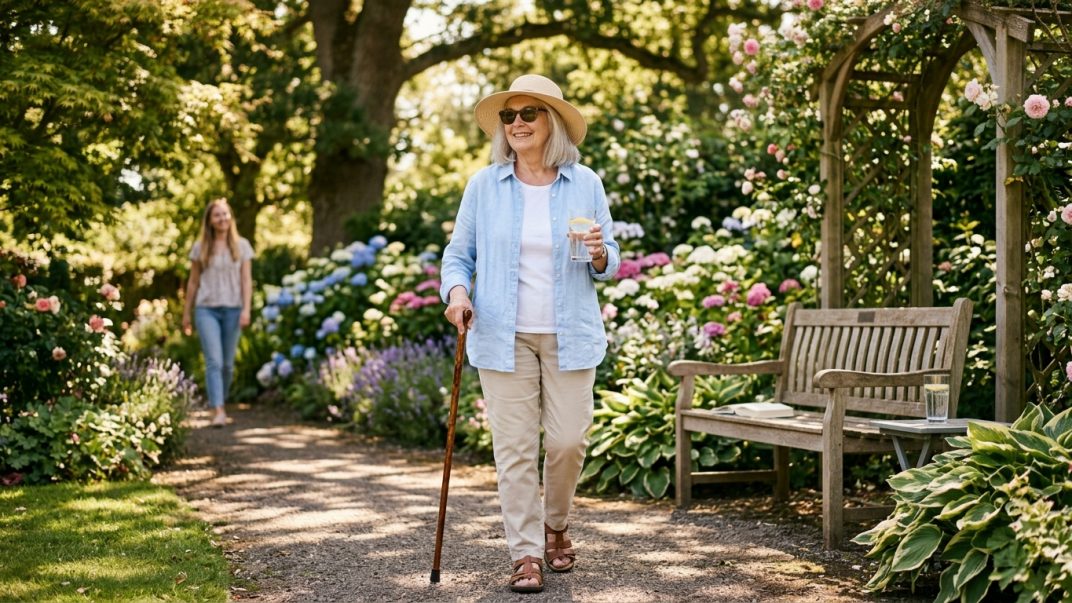
Simple ways to stay cool, hydrated, connected, and confident through the warmer months
Summer has a way of inviting us outside. Longer days, warmer mornings, garden blooms, patio visits, and neighbourhood walks can all bring a welcome lift after a long winter.
For older adults, summer can be a wonderful time to stay active, connected, and engaged. But heat, sun exposure, dehydration, and changes in routine can also create new risks, especially for those living with chronic conditions, taking certain medications, or managing changes in mobility and energy.
The good news is that a safer summer does not mean staying inside. With a few simple habits and the right supports in place, older adults can enjoy the season while protecting their health, comfort, and independence.
Start with Heat Awareness
Older adults are more vulnerable to heat because the body’s ability to regulate temperature can change with age. Some medications and health conditions can also make it harder to stay cool or recognize when the body is overheating.
A good summer routine starts with paying attention to the forecast, the humidex, and the UV Index. On very hot days, plan errands, walks, and outdoor activities earlier in the morning or later in the day when temperatures are lower. Try to avoid being outside for long periods during the hottest hours, typically late morning through mid-afternoon.
Staying safe in summer is not about avoiding activity. It is about choosing the right time, pace, and environment.
Make Hydration Part of the Routine
Hydration is one of the simplest ways to support energy, focus, and overall well-being in the summer.
Many older adults do not feel thirsty as quickly as they once did, which means dehydration can happen before someone realizes they need fluids. Warning signs may include unusual fatigue, dizziness, dark urine, irritability, confusion, or low appetite.
Instead of waiting for thirst, try building hydration into the day. Keep water nearby, drink fluids with meals, and consider setting gentle reminders. Foods with high water content, like fruit, soups, smoothies, or salads, can also help support hydration.
For family caregivers, check-ins can include a simple question: “Have you had something to drink today?” It may seem small, but it can make a meaningful difference.
Enjoy the Sun Safely
Sunshine can lift mood and encourage movement, but sun safety is important at every age.
Health Canada recommends limiting time in the sun and heat between 11 a.m. and 3 p.m., when UV exposure is strongest. Protective habits like wearing a wide-brimmed hat, sunglasses, lightweight clothing, and sunscreen can help older adults enjoy the outdoors more safely.
Shade matters too. A covered porch, garden umbrella, shaded bench, or tree-lined walking route can make outdoor time more comfortable and sustainable.
Think of sun protection as part of healthy aging, not a vacation-only habit.
Stay Active, But Pace Yourself
Summer can be a great season for gentle movement. Walking, gardening, stretching outdoors, or simply spending time on the patio can support mobility, mood, and social connection.
The key is pacing.
Shorter activity sessions, shaded rest breaks, and lighter movement during cooler parts of the day can help older adults stay active without becoming overheated or exhausted. If energy is lower than usual, it is okay to adjust the plan.
A ten-minute walk in the morning is still meaningful. A few minutes tending plants is still movement. Sitting outside with a neighbour still supports connection.
Staying active does not have to be intense to be valuable.
Refresh Daily Routines for Summer
Seasonal changes often call for small routine adjustments. What worked in winter may not work as well in July.
A summer routine might include:
- Earlier errands or appointments
- More frequent water breaks
- Lighter clothing and breathable fabrics
- Indoor rest time during peak heat
- Simple meals that do not require much oven use
- Regular check-ins with family or neighbours
For older adults who rely on steady routines, these small changes can help reduce fatigue and make the day feel more manageable.
Support from family, companions, or home care providers can also help keep routines on track, especially during hot spells or periods of low energy.
Stay Connected Through the Season
Summer can be a wonderful opportunity for connection. A short walk, a visit on the porch, a drive to a favourite park, or a morning coffee outside can all help reduce isolation and add meaning to the week.
Social connection is also an important protective factor during extreme heat. When someone is checking in regularly, it becomes easier to notice changes in energy, mood, appetite, or hydration.
For families, summer support does not always need to be complicated. A scheduled phone call, a weekly visit, or help arranging safe transportation to an activity can help an older loved one stay socially engaged without overdoing it.
Know the Signs That Extra Support May Help
Because heat-related issues can develop gradually, it is important to notice small changes early.
Families may want to pay attention to:
- Unusual tiredness or weakness
- Dizziness or light-headedness
- Confusion or irritability
- Lower appetite
- Dark urine or signs of dehydration
- Pulling back from activities they usually enjoy
These signs do not always mean something serious is happening, but they are worth taking seriously, especially during hot weather. When in doubt, encourage a conversation with a health care provider.
A Safer Summer Starts with Small Steps
Summer should feel energizing, not exhausting. With the right habits, older adults can enjoy the season while staying safe, hydrated, and connected.
Sometimes, a little support can make that easier. Help with errands, transportation, meal preparation, companionship, or daily routines can reduce strain and give families peace of mind during the warmer months.
If you or a loved one could use support staying safe and active this summer, our Lifestyle Advisors are always here to help you explore what might make the season feel easier.
Because aging at home should still include fresh air, meaningful connection, and the simple joys of summer.