

Celebrating Seniors Month: What Aging in Place Really Looks Like
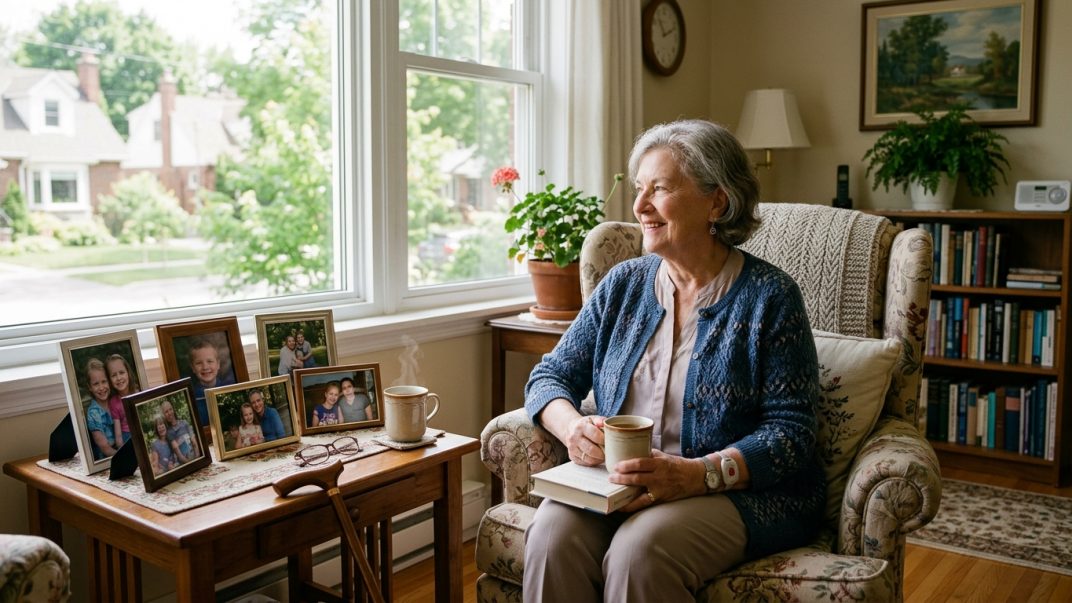
Staying at home is about more than where you live. It is about feeling safe, supported, and connected in the place you know best.
June is Seniors Month in Ontario, a time to recognize and celebrate the older adults who enrich our families, neighbourhoods, and communities.
It is also a meaningful time to reflect on something many older adults deeply value: the ability to age in place.
For many people, aging in place means remaining in the home and community they know and love. But it is not simply about staying put. It is about creating the right conditions to live safely, comfortably, and independently at home, with support that can adapt as needs change.
Because aging in place is not about doing everything alone. It is about having the right support around you so home continues to feel like home.
What Aging in Place Really Means
Aging in place is often described as staying in your own home as you get older. But the meaning runs much deeper.
It means being able to maintain routines that feel familiar. It means having support with the tasks that become harder over time. It means continuing to make choices about how you live, where you spend your time, and what matters most in your day.
For some older adults, that support may be occasional help around the house. For others, it may include regular home care, companionship, or seasonal maintenance that makes the home safer and easier to manage.
The goal is not perfection. It is sustainability. Aging in place works best when the home, the routine, and the support system all work together.
Why Home Matters
Home holds a special kind of comfort.
It is the kitchen where morning coffee tastes familiar. The chair by the window. The garden that changes with the seasons. The photos on the wall, the neighbours down the street, and the routines that make the day feel grounded.
For many older adults, staying in familiar surroundings helps preserve confidence, dignity, and a sense of identity. Home is not only a physical space. It is part of a person’s story.
That is why conversations about aging in place are so personal. They are not only about care needs or household tasks. They are about protecting the feeling of belonging that comes from living in a place filled with memory and meaning.
What Makes Aging in Place Possible
Most older adults want to remain at home for as long as possible. But desire alone is not always enough. Aging in place becomes more realistic when there is a dependable support system around the person.
That support may include family check-ins, help with daily routines, companionship, household support, or seasonal services that reduce physical strain. Small supports can make a big difference, especially when they are introduced early.
A little help with light housekeeping can keep the home feeling manageable. Companionship can add structure and connection to the week. Seasonal maintenance can make it easier to keep the property safe and comfortable.
These supports do not take away independence. Often, they help protect it.
Support Changes as Needs Change
Aging in place is not a one-time decision. It is something that evolves.
At one stage, the priority may be keeping the home clean and organized. Later, it may be support with bathing, dressing, meal preparation, or regular companionship. During certain seasons, help with outdoor upkeep may become more important.
What matters is being able to adjust before small challenges become stressful.
When support is flexible, older adults can continue living at home with more confidence. Families can also feel reassured knowing that changes are being noticed and needs are being met.
The Family Caregiver Perspective
Aging in place does not happen in isolation. Behind many older adults living at home is a family member quietly helping things run smoothly.
Adult children, spouses, siblings, and other loved ones often coordinate appointments, check in by phone, manage household tasks, notice changes, and worry about what might be missed. Even when they are not providing hands-on care every day, they often carry a real mental and emotional load.
That responsibility can be meaningful, but it can also become overwhelming.
The right support can ease that pressure. It gives families confidence that their loved one has help in place, and it allows time together to feel less focused on tasks and more focused on connection.
How Support Can Help Home Feel Manageable
Aging in place is strongest when support feels practical, respectful, and personal.
Home care support can help with daily routines and personal care. Companionship can reduce loneliness and create meaningful moments throughout the week. Light household help can make the home feel cleaner, safer, and easier to enjoy. Seasonal or general maintenance support can reduce the strain of keeping up with tasks that may have become too demanding.
For families, these services can provide reassurance. For older adults, they can make everyday life feel steadier and more comfortable.
At Vyta, we believe support should help people continue living in the home they love with dignity, comfort, and confidence. Our Lifestyle Advisors are here to help families explore what kind of support may make daily life easier now, while keeping future needs in mind.
Living Well Where You Are
Seniors Month is a time to celebrate older adults and the lives they continue to build, share, and enjoy.
Aging in place is part of that celebration. It is about more than remaining in a house. It is about continuing to live with familiarity, connection, independence, and support.
With the right help in place, home can remain a place of comfort and possibility through every stage of aging.
Because living well at home should feel safe, supported, and deeply personal.