

Beyond the bottle: Smart sun protection

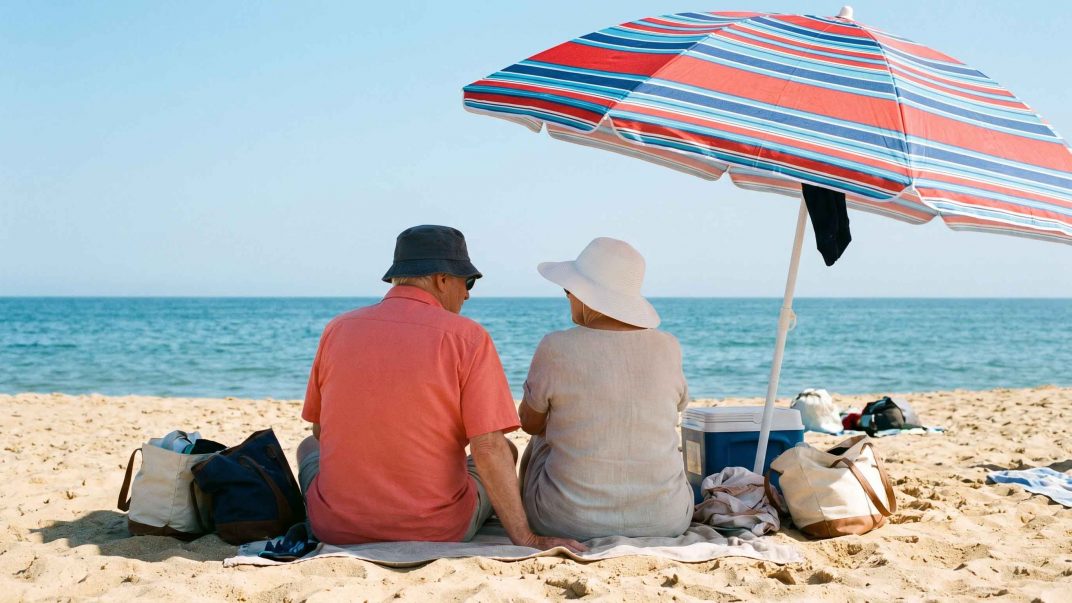
As the warm weather finally arrives, many of us are reaching for the sunscreen before heading outside. It’s a habit worth keeping — but here’s something the research makes clear: sunscreen alone isn’t your strongest protection against skin cancer.
That distinction matters, especially as we get older.
Skin cancer is more common than you might think
Skin cancer affects people of all ages, and the main cause is exposure to ultraviolet radiation (UV rays) — primarily from the sun. Melanoma, the most serious form, has been diagnosed more frequently in both men and women in recent decades. The good news it, It’s largely preventable.
What the evidence actually says about sun protection
Here’s the part that often surprises people: research says staying in the shade and covering up are more effective than sunscreen for reducing cancer risk. That means a wide-brimmed hat, UV-protective clothing, and finding a shady spot are your first line of defence and not an afterthought.
That doesn’t mean you should skip the sunscreen. When you do need it, choose a water-resistant, broad-spectrum SPF 30 or higher, and reapply regularly. But think of it as your backup and not your whole strategy.
Here are a few more evidence-based tips to protect your skin this season:
- Check the UV index daily. If it’s 3 or higher, take extra precautions. For much of Canada, that can mean a good portion of the spring and summer.
- Avoid peak sun hours. UV exposure is highest between 11 a.m. and 3 p.m. Try to plan outdoor activities for earlier in the morning or later in the afternoon.
- Don’t be fooled by cool or cloudy days. You can get significant UV exposure even when it doesn’t feel hot. Overcast skies don’t block UV rays as much as people assume.
- Be extra careful near water and sand. These surfaces reflect UV rays and can intensify your exposure.
What about screening?
You may have heard that regular skin checks can catch cancer early and save lives. While it’s still important to have unusual moles or growths examined by a healthcare practitioner, current evidence suggests that widespread screening programs have had only a small effect on skin cancer mortality. Prevention remains the most powerful tool we have.
The bottom line
A sun-kissed afternoon outdoors is one of life’s pleasures — and you don’t have to give it up. You just need the right habits in your corner. Cover up, seek shade, check the UV index, and yes, wear your sunscreen too.
McMaster Optimal Aging Blog Posts are written by faculty, staff, PhD students, and external collaborators, and are assessed for accuracy by members of the Portal scientific leadership team.
DISCLAIMER: These summaries are provided for informational purposes only. They are not a substitute for advice from your own health care professional. The summaries may be reproduced for not-for-profit educational purposes only. Any other uses must be approved by the McMaster Optimal Aging Portal (info@mcmasteroptimalaging.org).