

Beating the heat: What changes as we get older, and what to do about it
Summer is when we’re supposed to be outside — walking the trail, meeting a friend for coffee on a patio, or working in the garden. But as temperatures climb, it’s worth understanding something most of us were never taught: our bodies don’t handle heat the way they did at 30.
That’s not a reason to stay indoors all July. It’s a reason to know your risk and plan around it, so you can keep doing the things you love safely.
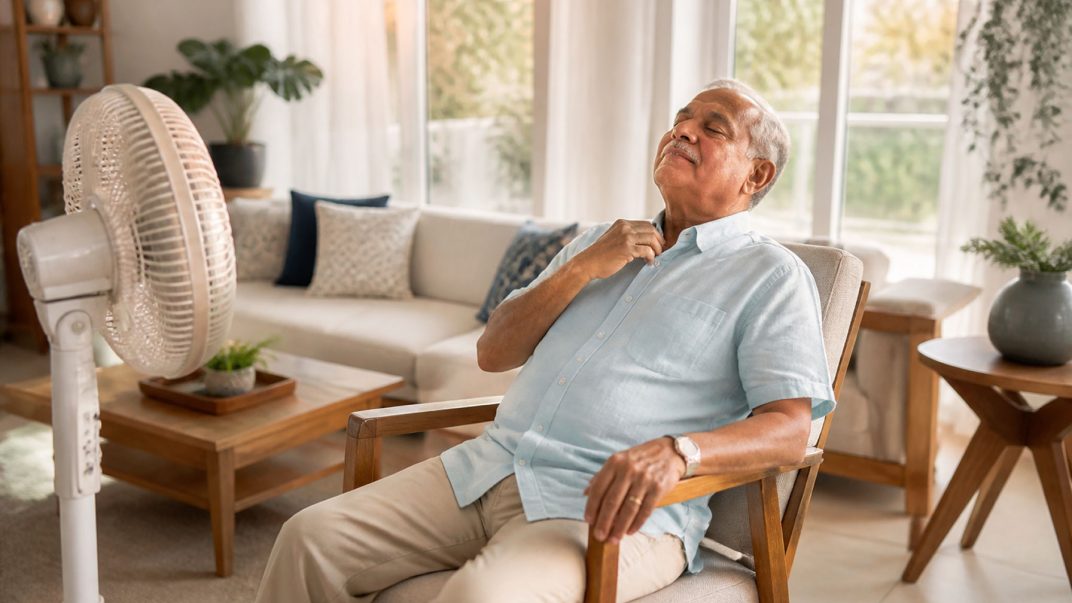
As we age, the body becomes less efficient at cooling itself, increasing the risk of heat exhaustion and heat stroke. Certain medications, chronic conditions, and social isolation can further raise that risk. The good news: a few practical adjustments to when and how you stay active can make hot weather far safer, without asking you to give up your summer.
1. Your body’s cooling system slows down with age
Staying cool depends on circulation, sweating, and hydration, all of which can be affected by aging. As we get older, blood vessels don’t dilate as easily to release heat, sweat glands become less responsive, and the feeling of thirst diminishes — meaning dehydration can happen without us realizing it. Chronic illness can increase these risks even more.
2. Some common medications quietly raise the stakes
Many people overlook this area. Several common medications can impact how your body manages temperature and fluid balance:
If any of these apply to you, consider discussing your personal risks for this summer with your health care practitioner, ideally before the heat hits.
3. Know the warning signs before you need them
Heat exhaustion and heat stroke are different conditions, and understanding the distinction is important. Heat exhaustion usually causes heavy sweating, dizziness, and nausea, and can be treated by cooling down and rehydrating promptly. In contrast, heat stroke is a critical medical emergency where the body’s temperature control fails and requires immediate medical attention. Dr. Gallagher explains both conditions, including risk factors and prevention strategies, in a short Portal video on heat stroke: causes, risks, and prevention. Watching it takes just two minutes and is especially useful if you live alone or spend time outdoors.
4. Small changes keep you active, not sidelined
Remaining active remains one of the best ways to support your physical and mental health — just be mindful of the heat by adjusting when and how you exercise.
Here are some effective changes you can make:
Remember, staying hydrated—drink water before you feel thirsty—avoiding peak sun hours from 11 am to 4 pm, and consulting your doctor before trying anything new are essential.
5. Shade isn’t just comfort, it’s protection
When selecting a walking route this summer, prioritize paths with tree cover. Urban trees do more than enhance scenery; they help reduce heat-related illnesses, alleviate the effects of heatwaves, and protect against UV damage to the skin and eyes, which is especially beneficial for older adults.
Being near trees has also been associated with improved mood, reduced stress, and increased physical activity. Therefore, a shaded park trail isn’t just more pleasant; it’s safer.
The takeaway
Heat impacts older adults in unique ways, but it’s not a reason to avoid summer. Stay informed about your medications, watch for early signs of heat illness, and plan activities for cooler times or shaded areas. By taking these precautions, you can remain active, social, and safe throughout August.
McMaster Optimal Aging Blog Posts are written by faculty, staff, PhD students, and external collaborators, and are assessed for accuracy by members of the Portal scientific leadership team.
DISCLAIMER: These summaries are provided for informational purposes only. They are not a substitute for advice from your own health care professional. The summaries may be reproduced for not-for-profit educational purposes only. Any other uses must be approved by the McMaster Optimal Aging Portal (info@mcmasteroptimalaging.org).