
Brain Health Awareness Month: Small steps for a stronger mind
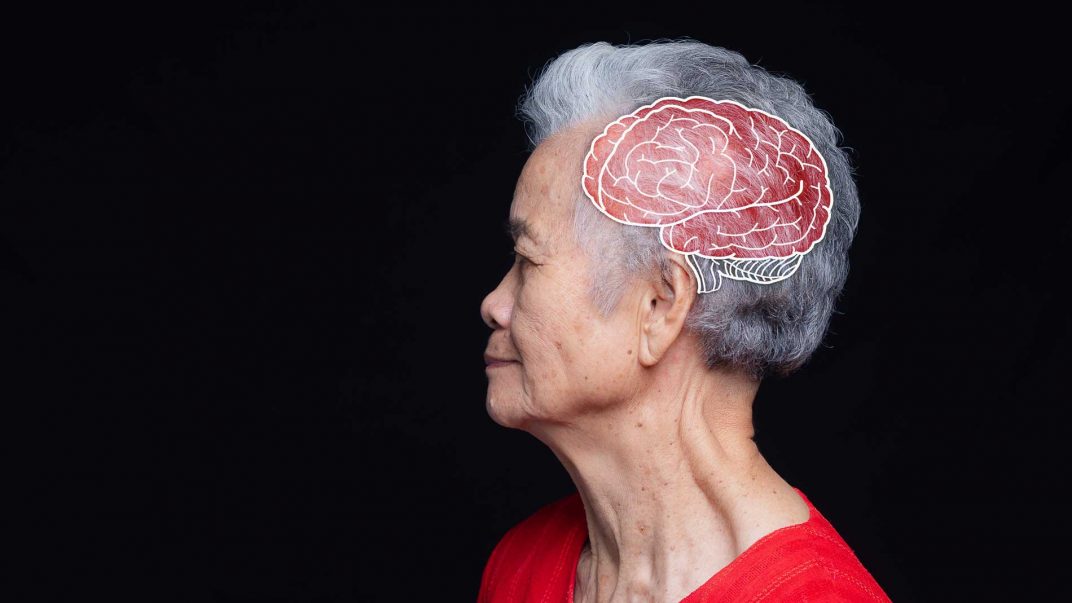
Brain Health Awareness Month is a great time to reflect on how we can support our brain as we age. While some changes in memory and thinking are a normal part of aging, there’s a lot we can do to help keep our minds sharp and reduce the risk of cognitive decline.
The good news? Many of the habits that support brain health are the same ones that benefit your overall well-being.
What supports brain health?
Research shows that a combination of lifestyle factors can make a meaningful difference:
- Stay physically active: Regular movement—like walking, strength training, or stretching—helps improve blood flow to the brain.
- Keep your mind engaged: Reading, learning new skills, or even doing puzzles can help maintain cognitive function.
- Eat a balanced diet: Diets rich in vegetables, fruits, whole grains, and healthy fats (like those found in fish and nuts) support brain health.
- Stay socially connected: Spending time with others can boost mood and may help protect against cognitive decline.
- Manage your health conditions: Controlling blood pressure, cholesterol, and diabetes is important for both heart and brain health.
Understanding changes in memory
It’s common to occasionally forget names or misplace items. However, more noticeable changes—like difficulty completing familiar tasks or increased confusion—may be worth discussing with a healthcare professional. Early awareness can help you access support and plan next steps.
Protecting your brain for the future
Brain health is closely linked to heart health. Taking steps to reduce your risk of stroke and other cardiovascular conditions can also protect your brain. Staying informed and proactive is one of the most powerful things you can do.
McMaster Optimal Aging Blog Posts are written by faculty, staff, PhD students, and external collaborators, and are assessed for accuracy by members of the Portal scientific leadership team.
DISCLAIMER: These summaries are provided for informational purposes only. They are not a substitute for advice from your own health care professional. The summaries may be reproduced for not-for-profit educational purposes only. Any other uses must be approved by the McMaster Optimal Aging Portal (info@mcmasteroptimalaging.org)